Hatchery-Based Induced Breeding and Mass Seed Production of Small Indigenous Species (SIS): Scaling Nutrition-Sensitive Aquaculture in Asia

Solution Overview

Source: World Fish

This solution pioneers hatchery-based induced breeding and mass seed production protocols for nutrient-dense Small Indigenous Fish Species (SIS), achieving a breakthrough in nutrition-sensitive aquaculture. These SIS—rich in bioavailable vitamins (A, B12, C), minerals (iron, calcium, zinc, iodine, selenium), essential amino acids, and fatty acids—help combat malnutrition and micronutrient deficiency, especially among women and children. 

It addresses the limited seed availability that constrains SIS integration into carp-based aquaculture systems. Ensuring a reliable and scalable seed supply supports nutrition-sensitive, climate-resilient, and inclusive aquaculture, enhancing food and micronutrient security in Asia.

Species covered: (i) Amblypharyngodon mola (Mola), (ii) Puntius sophore (Pool Barb), (iii) Puntius chola (Swamp Barb), (iv) Mystus tengara (Tengara Catfish), (v) Cirrhinus reba (Reba Carp), and (vi) Anabas testudineus (Climbing Perch).
What We Do

Key Features & Benefits

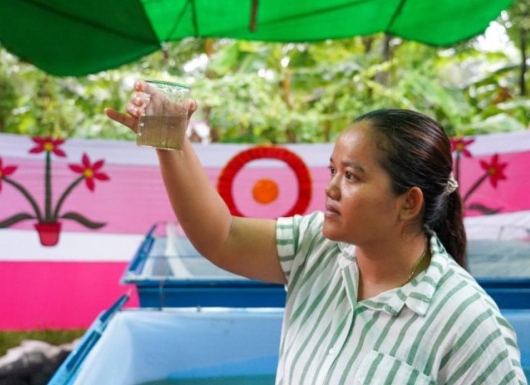
  • Standardized hatchery protocols: Scientifically validated induced breeding, larval rearing, and seed transportation protocols for multiple SIS species.
  • Low-cost and farmer-friendly: Uses locally available materials and simple hormonal induction methods (FRP tanks, portable hatchery systems) suitable for small and medium-scale hatcheries.
  • Climate-resilient model: Diversifies production and reduces risks from climatic variability and crop failure.
  • Nutritional benefits: Ensures year-round availability of SIS rich in vitamins and minerals to improve household nutrition.
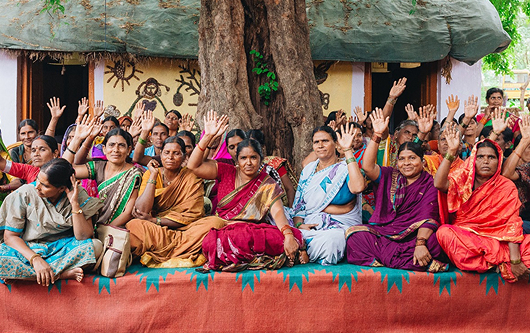
  • Gender and livelihood inclusion: Engages women’s self-help groups (SHGs) and smallholders, creating new livelihood and leadership opportunities.
  • Comprehensive technology package: Includes broodstock management, breeding, larval rearing, nursery management, and business models adaptable from backyard hatcheries to research facilities.
  • Conservation co-benefits: Supports river ranching and enhances wetland productivity through sustainable seed production and reintroduction initiatives.

Where It Works and Where It Can Work

Implemented in:

  • India (Assam and Odisha): Successfully demonstrated through partner hatcheries and farmer networks under WorldFish projects.
  • Potential expansion within India to West Bengal, Bihar, Chhattisgarh, Tripura, and other northeastern states.

Potential regions for scaling:

  • South and southeast Asia: Bangladesh, Nepal, Myanmar, Cambodia, and Vietnam—regions with compatible agroecologies and high nutritional demand.
  • Agroecologies: Floodplain wetlands, rice–fish farming areas, ponds, and seasonal water bodies.
  • Farming systems: Carp–SIS polyculture, homestead ponds, rice–fish systems, and community-based aquaculture.

Evidence & Impact

Demonstrated outcomes:

  • Developed and scaled hatchery-based protocols for six SIS species.
  • Produced 52.57 million SIS seeds (2022–2024) through three partner hatcheries in India (Assam and Odisha) and Bangladesh.
  • Achieved cross-border adoption and scaling in Bangladesh, demonstrating regional transferability.
  • The Department of Fisheries, Odisha adopted WorldFish’s SIS business model and launched state schemes for SIS hatcheries with subsidy support—showing direct policy uptake.
  • Enabled integration of SIS into carp–SIS polyculture systems, enhancing dietary diversity and farmer income.
  • Catalyzed the inclusion of dried SIS and fish powder in nutrition programs and school feeding initiatives.
  • For further evidence, see the project webpage “Taking Nutrition-Sensitive Carp-SIS Polyculture Technology to Scale” and the impact publication “Tiny Treasures, Big Impact: The Vital Role of Small Indigenous Fish in Nutrition and Livelihoods”. 

Scalability & Adoption Support

 Scalability Factors:

  • Proven, low-cost, and replicable technology adaptable to local hatchery infrastructure.
  • Compatible with existing carp hatcheries—no major capital investment needed.
  • Comprehensive training manuals and multimedia guides available in local languages.

Adoption Enablers:

  • Partnerships with government fisheries departments, private hatcheries, NGOs, and entrepreneurs.
  • Integration within nutrition-sensitive aquaculture programs and national fisheries missions.
  • Growing consumer awareness of the nutritional benefits of SIS.

What’s Needed:

  • Capacity building for hatchery technicians and farmer groups.
  • Public–private partnerships to strengthen SIS seed value chains.
  • Inclusion in national aquaculture and nutrition development schemes to enhance outreach and sustainability. 

Contact Information & Partners

Download PDF

·        Project: Taking Nutrition-Sensitive Carp–SIS Polyculture Technology to Scale (2021–2024)

·        Lead Organization: WorldFish

·        Funding Agency: German Federal Ministry for Economic Cooperation and Development (BMZ), commissioned by GIZ through the Fund International Agricultural Research (FIA)

Key contacts:

·        Dr. Arun Padiyar, Country Representative, WorldFish India A.Padiyar@cgiar.org

Dr. Sourabh Kumar Dubey, Scientist, WorldFish India S.Dubey@cgiar.org

Related Resources