Flood-based farming is a largely untapped opportunity for Ethiopia's dry lowlands to address food insecurity and build resilience against climate shocks. Developing sustainable floodplain management strategies for flood risk prevention and proper floodwater utilization are crucial for unlocking the potential of flood farming and ensuring sustainable food production and livelihoods in flood-prone dryland areas.
Water Spreading Weirs (WSWs) is one of the sustainable floodplain management innovations that involves the construction of Water Spreading Weirs (WSWs) to capture and spread torrential floodwaters, re-green degraded rangelands and enabling the introduction of agropastoral intensification systems. WSWs, along with dryland food and feed crops, were introduced as a sustainable intervention to convert destructive floods into a productive resource for agriculture and rangeland rehabilitation. The WSW-based farming system has transformed the degraded grazing land into a highly productive green valley. The system brings gradual change in the livelihood system from a dominant extensive pastoral to an intensified agropastoral system.
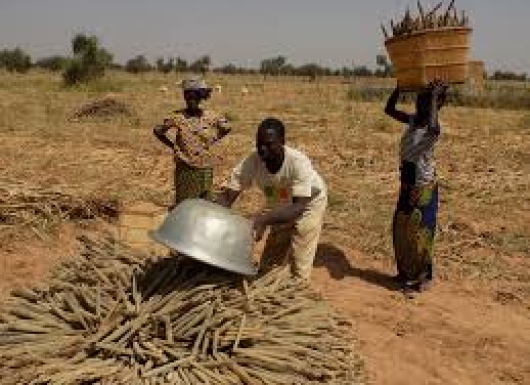
Flood-based farming system approaches that integrate water spreading weirs (WSWs) that convert destructive floodwater into agricultural development and integrate climate-smart food and feed crop technologies and agronomic practices that efficiently utilize flash flood water and enhance productivity. By using this innovation, the dryland farming communities can enhance their resilience simultaneously to flooding and droughts while boosting agricultural productivity and environmental protection.
This innovative technology has significant potential in the lowland flood plain and agropastoral and dryland farming areas (lowlands with sorghum, maize, lowland pulse growing areas) with a landscape configuration and drainage network connecting upstream and downstream. The north east, south and south east agroecologies are suit to the innovation for their potential of flash flood occurrence.
Change livelihood system: WSW-based farming system has transformed the degraded grazing land into a highly productive land in dryland areas of Afar in Ethiopia. The system also brought gradual change in livelihood system from dominant pastoral to agropastoral system.
Improve soil quality and land productivity: The accumulated soil moisture and nutrients made the areas productive and consequently ensured food security through growing access to feed and food crops during dry season. The increased biomass for grain and fodder ensure food security and reduction of livestock mortality.
Increase the adoption of climate smart and nutrient dense crop technologies: Enhanced the adoption and use of nutrient dense, early maturing and high yielding dryland food and feed crops through flood-based farming and mainstreamed them into the local seed system. It demonstrates the contribution of flood farming to manage malnutrition and stunting of children in drought affected rainfed dependent communities.
Change in attitude and land use system: The innovation enabled a change in land use system (from communal to individual use) and the attitude of (Agro) pastoralists towards producing dual purpose crops based on their own interests and preferences.
For more information on scaling this solution, please email:
Dr. Gizaw Desta – ICRISAT-Ethiopia Country Representative. ( gizaw.desta@icrisat.org)
Gizachew Legesse - (gizachew.legesse@icrisat.org)